A bacterium slept in permafrost for 3 million years
How a 2009 drilling expedition at Mammoth Mountain, Yakutia, led to a viable ancient strain, a decade of research — and eventually a bottle of drops on your shelf.
The find
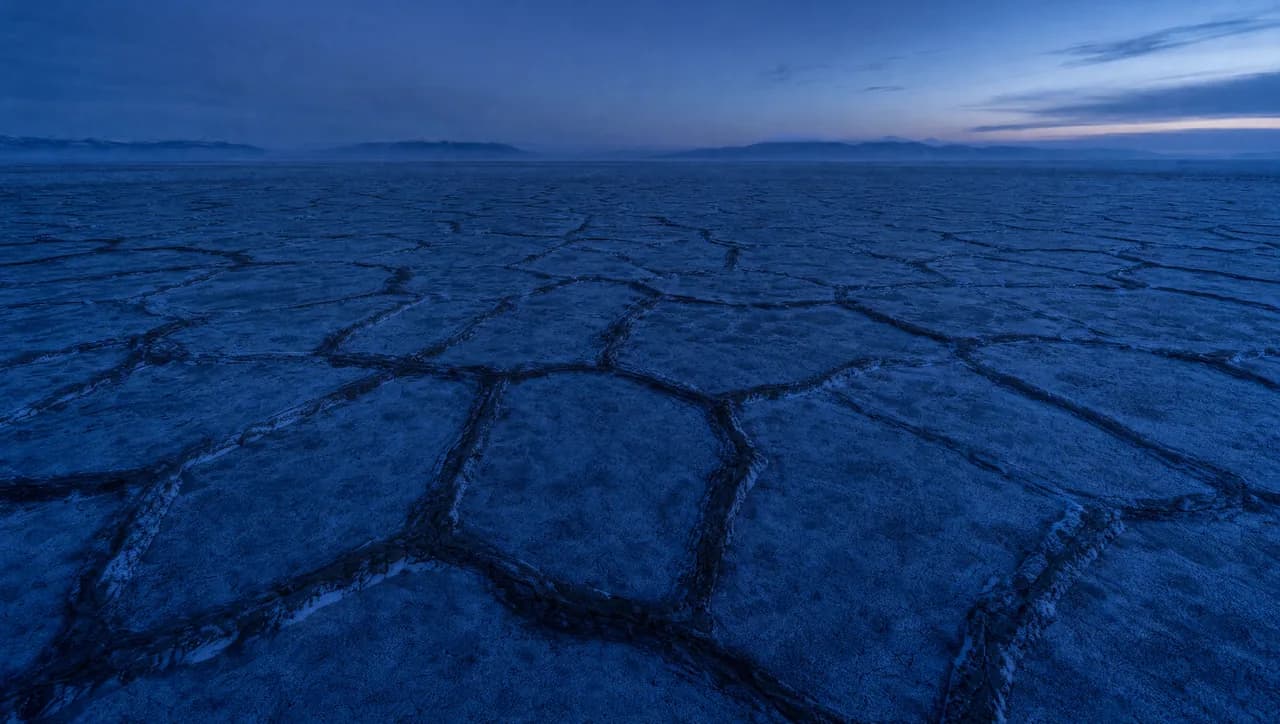
Mammoth Mountain (Mamontova Gora) rises above the Aldan river in Yakutia, Siberia — one of the coldest inhabited regions on Earth. Its permafrost layers are a natural freezer that has preserved organic material for millions of years. In 2009 a research team drilling cores through those layers recovered something unexpected: a bacterium that was still alive.
Placed in culture, the strain revived and multiplied. Dating of the surrounding sediment put its dormancy at roughly three million years. Informally, the team named it Bacillus F. The question that drove everything after: what kind of cellular machinery lets an organism protect its DNA for that long?
The scientist
Professor Anatoli Brouchkov, head of the Geocryology Department at Moscow State University, led the research program around the strain. Geocryologist by training, he spent decades studying what survives in frozen ground — and became the strain's most famous test subject when he began taking it himself, reporting that he hadn't had flu since.


“If the bacterium survived three million years in permafrost, it must have mechanisms protecting it from damage. That is what we want to understand.”— Anatoli Brouchkov, on the research program
Timeline
From lab to bottle
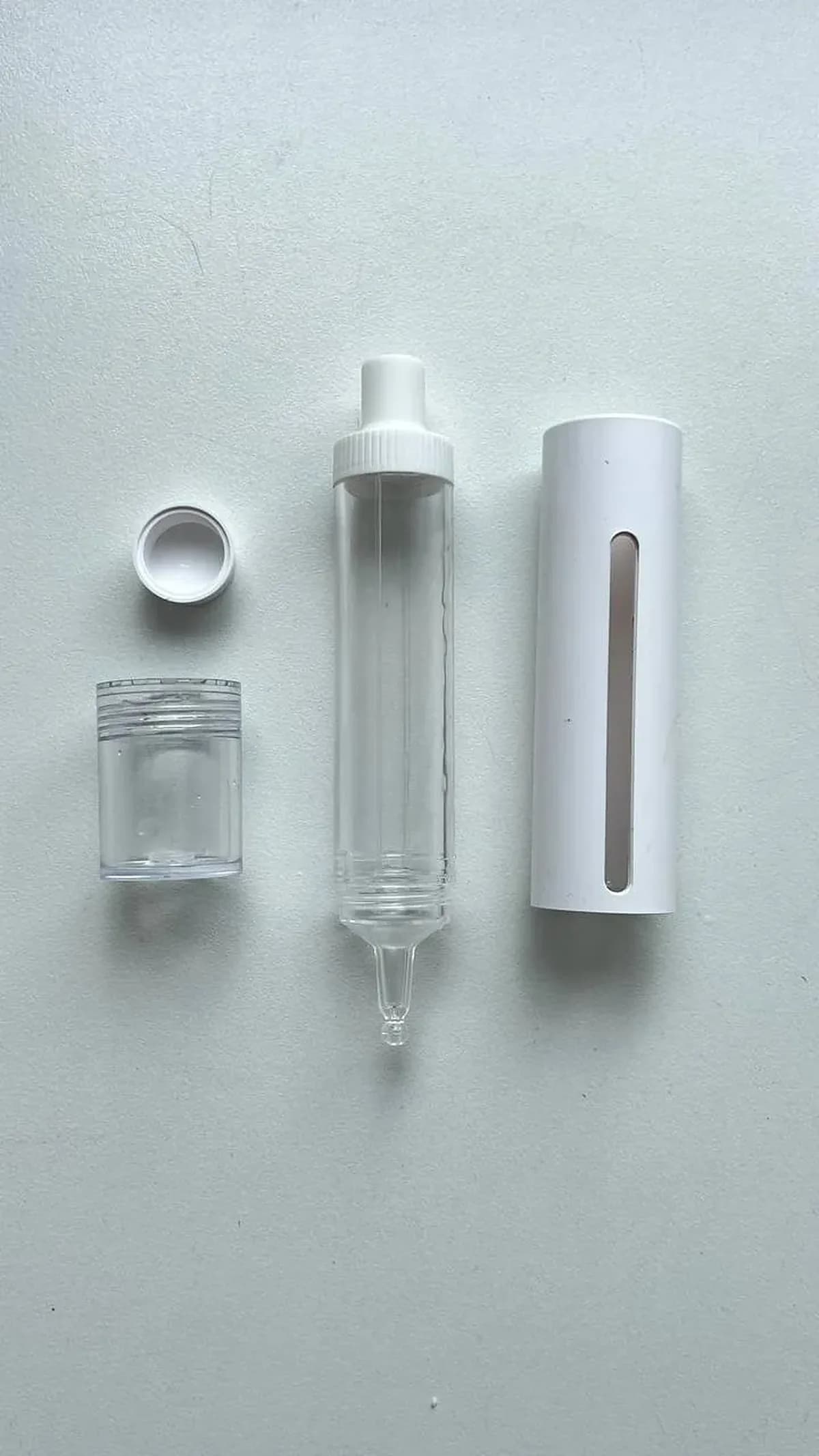
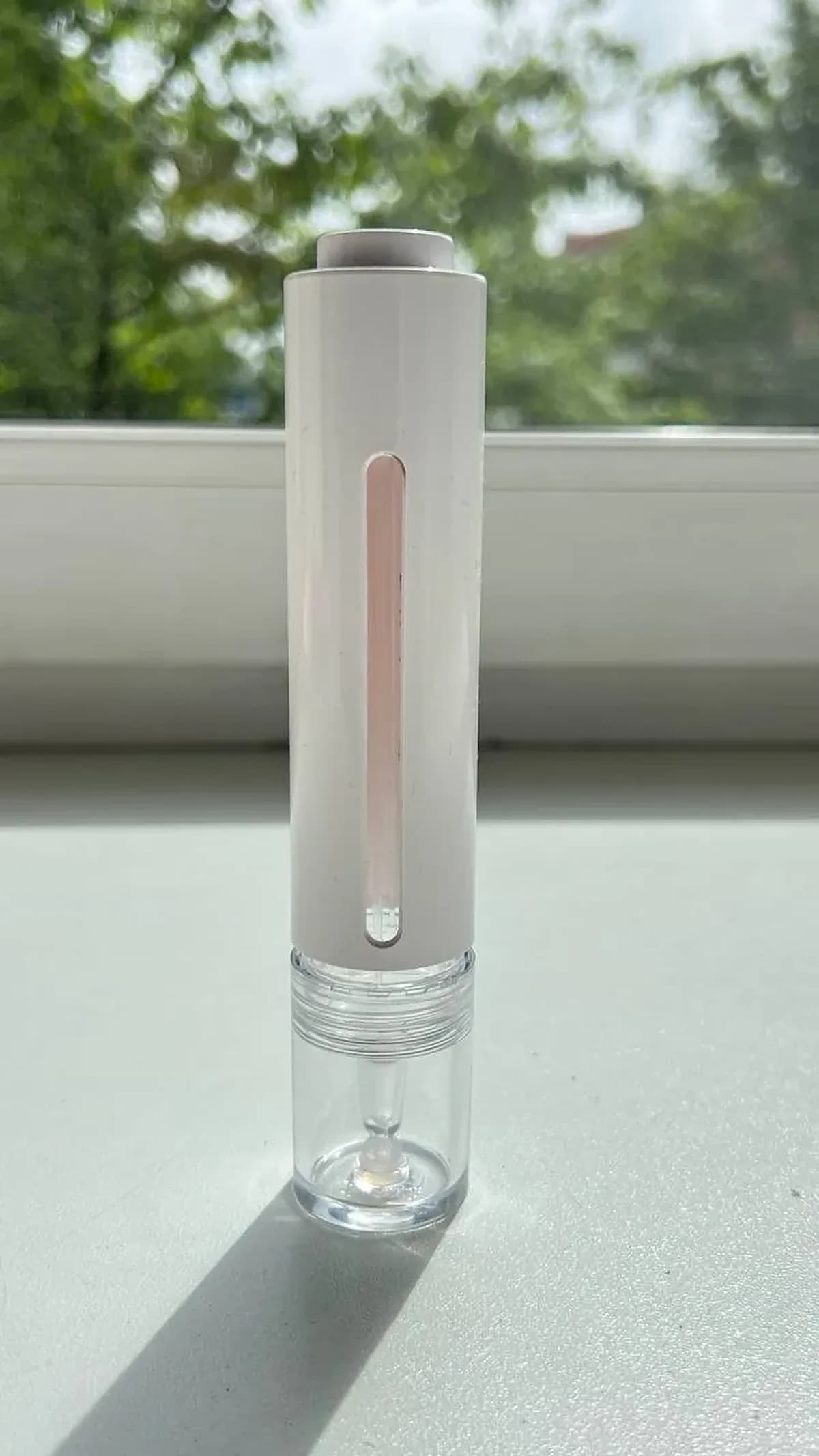
The supplement is a postbiotic: the strain is cultured, then inactivated, so the drops carry its protective metabolites and cell-wall compounds — never live ancient bacteria. The applicator pen is engineered around a sealed cartridge with a visible fill window, dosed sublingually. Read the full mechanism on the Science page or go straight to the flagship drops.