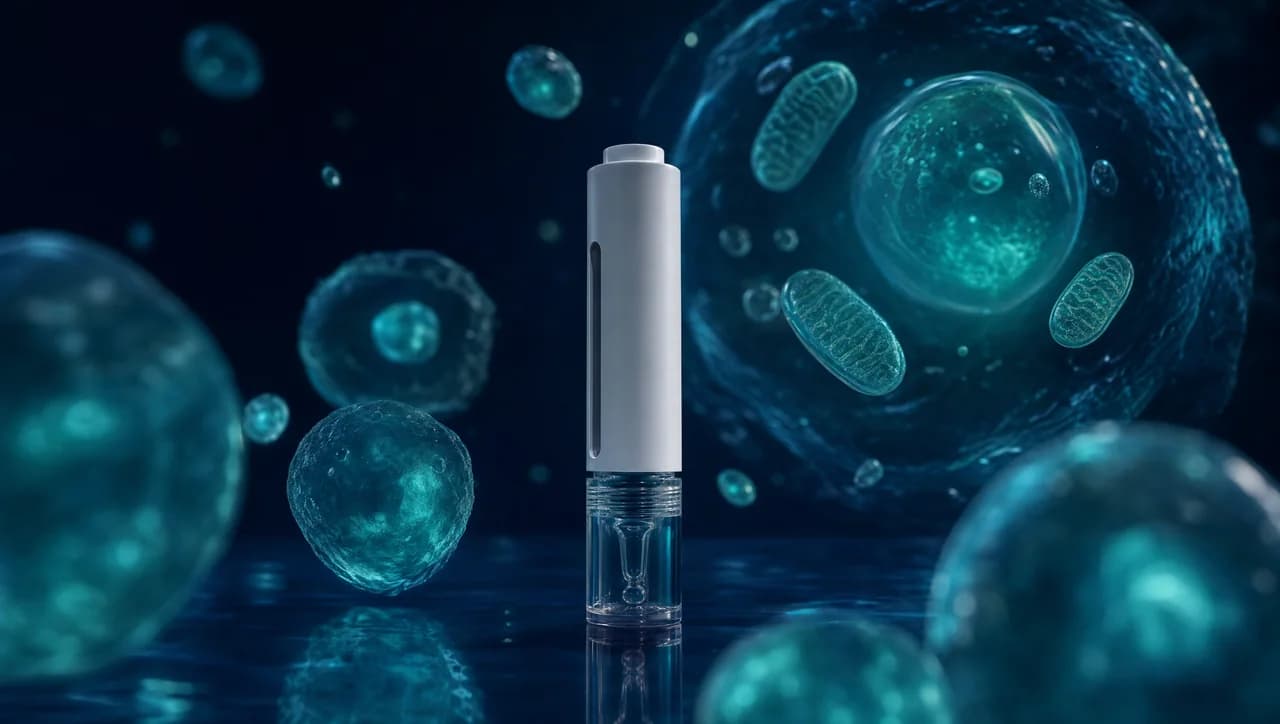
About the formulation
The broadest framing in the range, and the one closest to how the preparation is actually described in its documentation. "Cellular health" covers the maintenance processes that keep a cell functional: mitochondrial output, membrane integrity, and turnover — the ongoing replacement of damaged components.
These processes share an environment. Mitochondria are the main endogenous source of reactive oxygen species, membranes are lipid structures particularly vulnerable to oxidation, and turnover exists precisely because damage accumulates. Oxidative conditions are the common thread, which is why a preparation aimed at oxidative resilience is discussed here rather than under a single organ system.
This page is for readers who think in mechanisms rather than benefits.
How it works
Mitochondria generate ATP through the electron transport chain, and that process inevitably leaks reactive oxygen species as a by-product. It is not a malfunction — it is the cost of the reaction. The relevant variable is how well the cell handles the by-product over years.
Membranes matter because oxidation of membrane lipids changes their properties, and membrane behaviour governs what enters and leaves the cell. Turnover matters because it is the disposal system: damaged components are cleared and replaced, and that clearance rate is itself part of what shifts with age.
Bacillus F is positioned in that environment rather than at any one target. We are not claiming it increases ATP production, repairs membranes or accelerates turnover — none of that is documented and we will not assert it. The documented mechanism is resilience under oxidative conditions, which is the shared context all three processes operate in.
A note on how to read any product marketed under this heading, including ours. 'Cellular health' is broad enough to accommodate almost any claim, which is precisely why it appears on so many labels. The useful test is whether the seller will tell you which specific process they are addressing and what method was used to observe it. If the answer stays at the level of the category name, the answer is that there is no answer.
Specifications
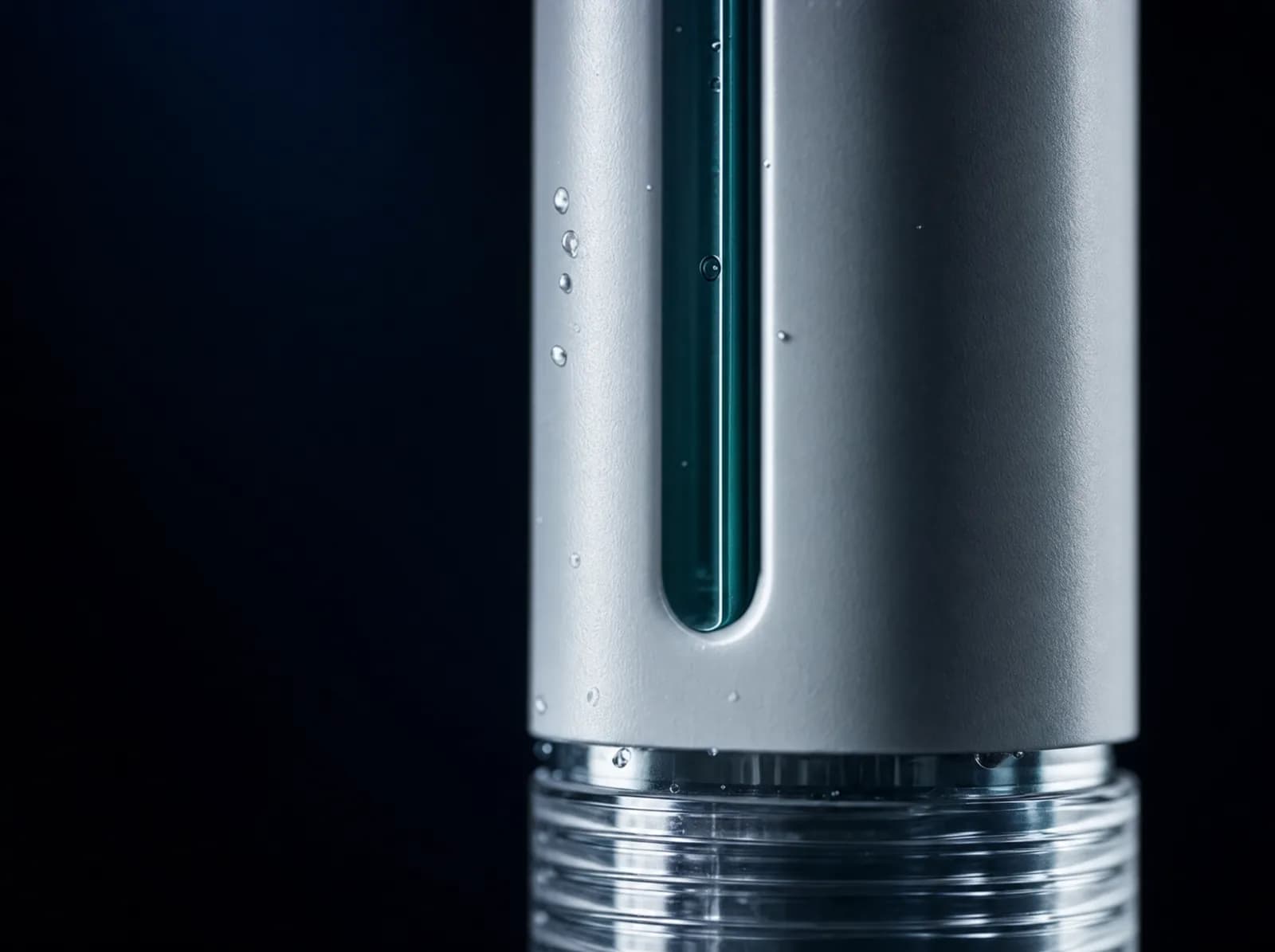
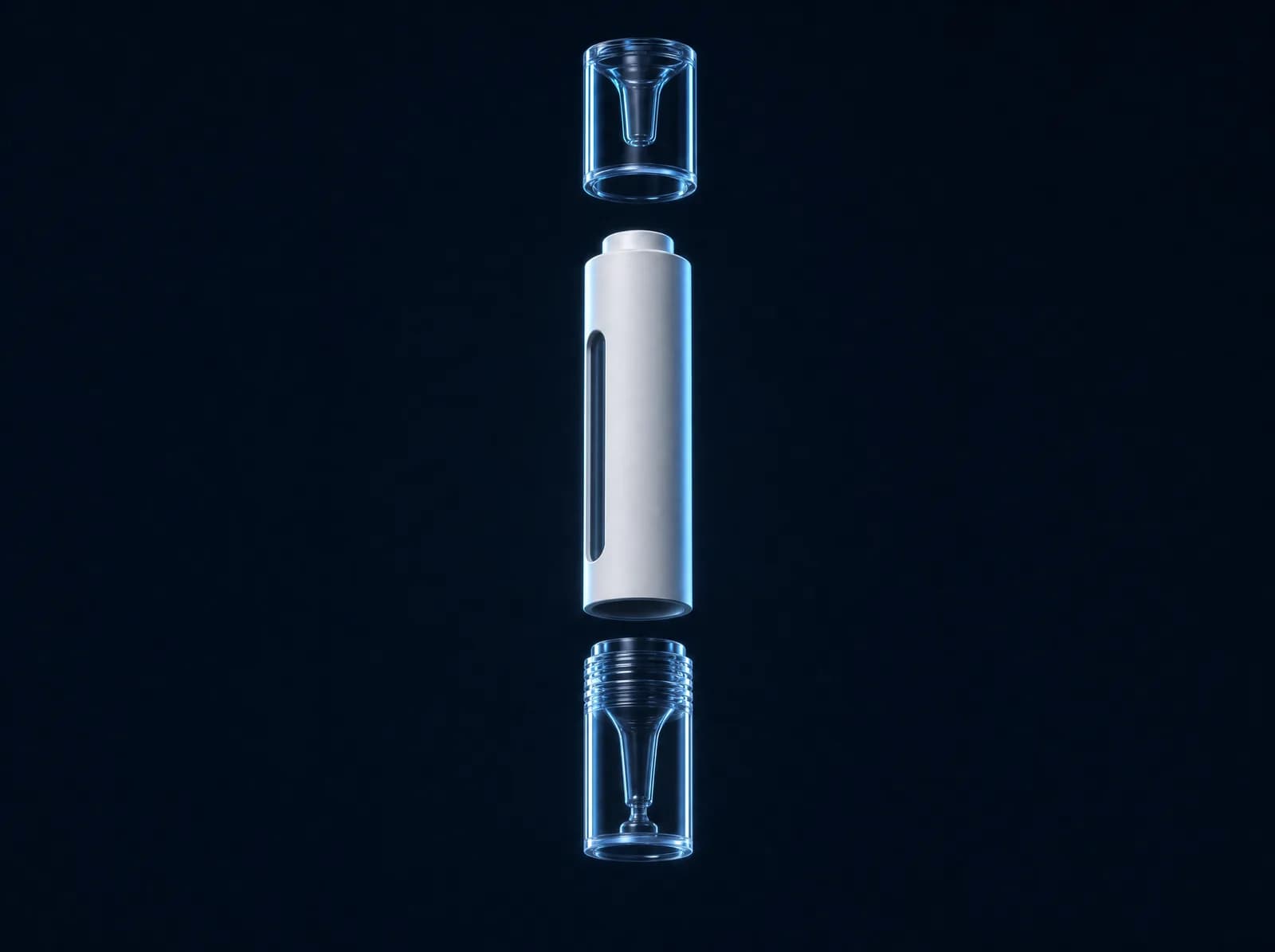
| Format | Sublingual applicator pen — clear cartridge with measured-dose tip |
| Active fraction | Cell-free Bacillus F metabolite complex (postbiotic) |
| Daily dose | 1 ml measured dose, sublingual, morning |
| Protocol length | 30 days per bottle · 90 days recommended before re-testing |
| Storage | Room temperature, away from direct light |
| Origin | Fermented & bottled in the EU · strain from Yakutia permafrost |
| Documentation | Patent WO2012060729 · deposited genome sequence |
Compliance & standards
The strain and its applications are covered by international patent WO2012060729 plus five national patents, and the organism is sequenced and deposited — so every batch comes from the same defined organism. The patent scans and the comet-assay imaging are published openly on the Science page.
Marketed as a dietary supplement — not a medicine; statements have not been evaluated by the FDA.
What to expect
Expect a mechanism description rather than a benefit list, because that is what the documentation supports. We can tell you what environment the preparation is positioned in; we cannot tell you what your mitochondria did this quarter.
If you already run CoQ10 or PQQ, this does not replace them — it sits in a different part of the same picture. Adding it alongside is coherent; adding it and removing them at the same time makes the result uninterpretable.
Use cases
- Mechanism-driven buyers who want the biology before the benefit.
- Alongside mitochondrial-support routines — CoQ10, PQQ or similar — as a distinct oxidative-defence layer.
- Long-run maintenance protocols where the aim is preserving baseline function.
Not sure where it fits? Start with Bacillus F vs NMN — our most-read comparison.
Frequently asked
Related solutions
Start your 30-day protocol
Limited monthly batches. We confirm availability for your country within 48 hours.