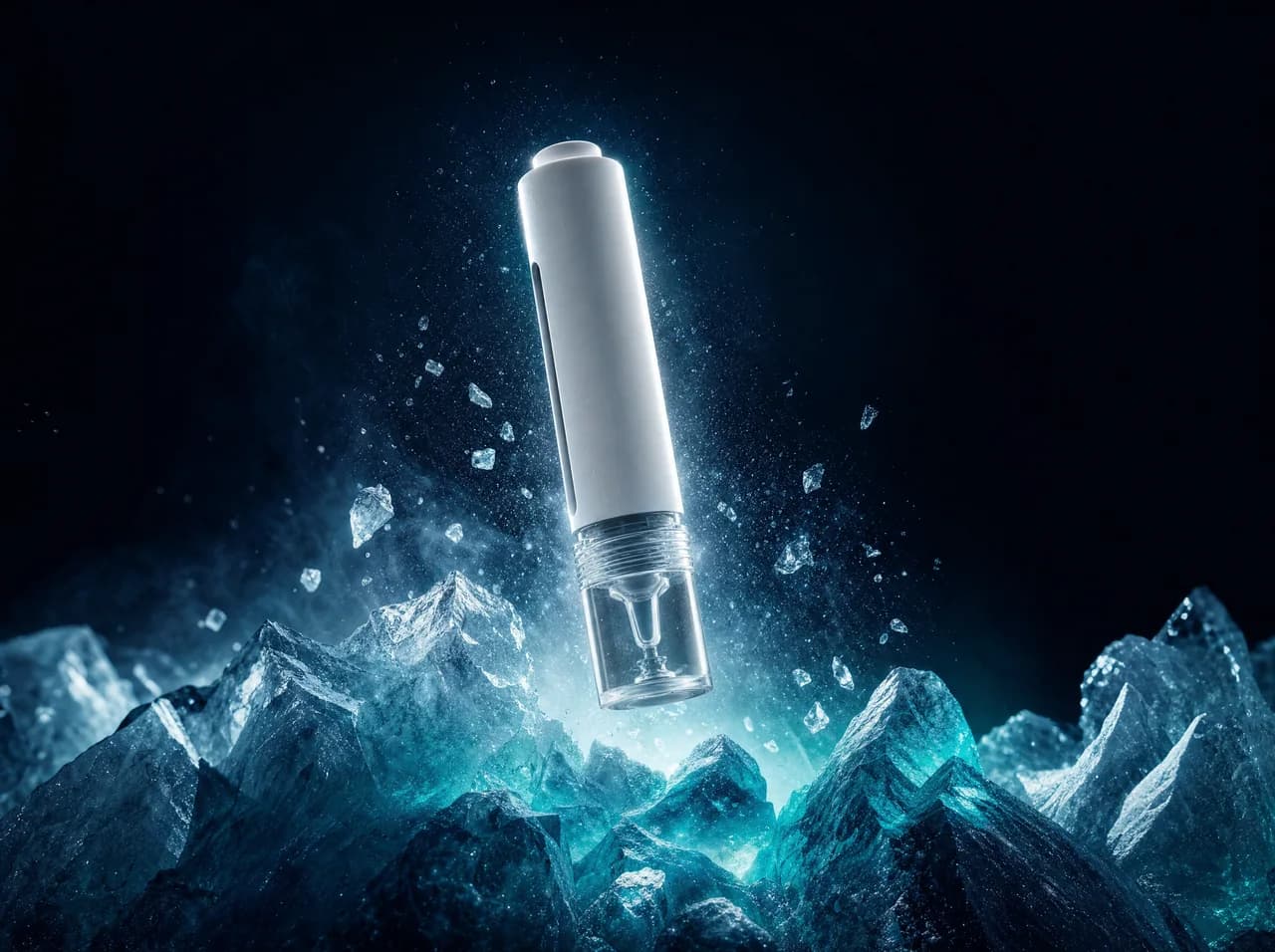
About the formulation
The Postbiotic Supplement is the flagship Bacillus F product and the origin of everything else in this range. It is a cell-free metabolite preparation: the organism is grown under controlled fermentation, the useful fraction it produces is separated from the cells, and what remains is cold-processed into liquid drops. Nothing in the finished bottle is alive.
That single design choice determines most of what follows. A live-culture product is a logistics problem — it needs refrigeration, it carries a viability count that falls across shelf life, and its effect depends on organisms surviving stomach acid and establishing themselves downstream. A postbiotic sidesteps the entire chain. The molecules are already made, and the bottle you open in week twelve is chemically the same as the one you opened in week one.
This is the page to read first if you are new to the brand. The other nine product pages are framings of the same preparation for people arriving with a different question; this one describes the preparation itself.
How it works
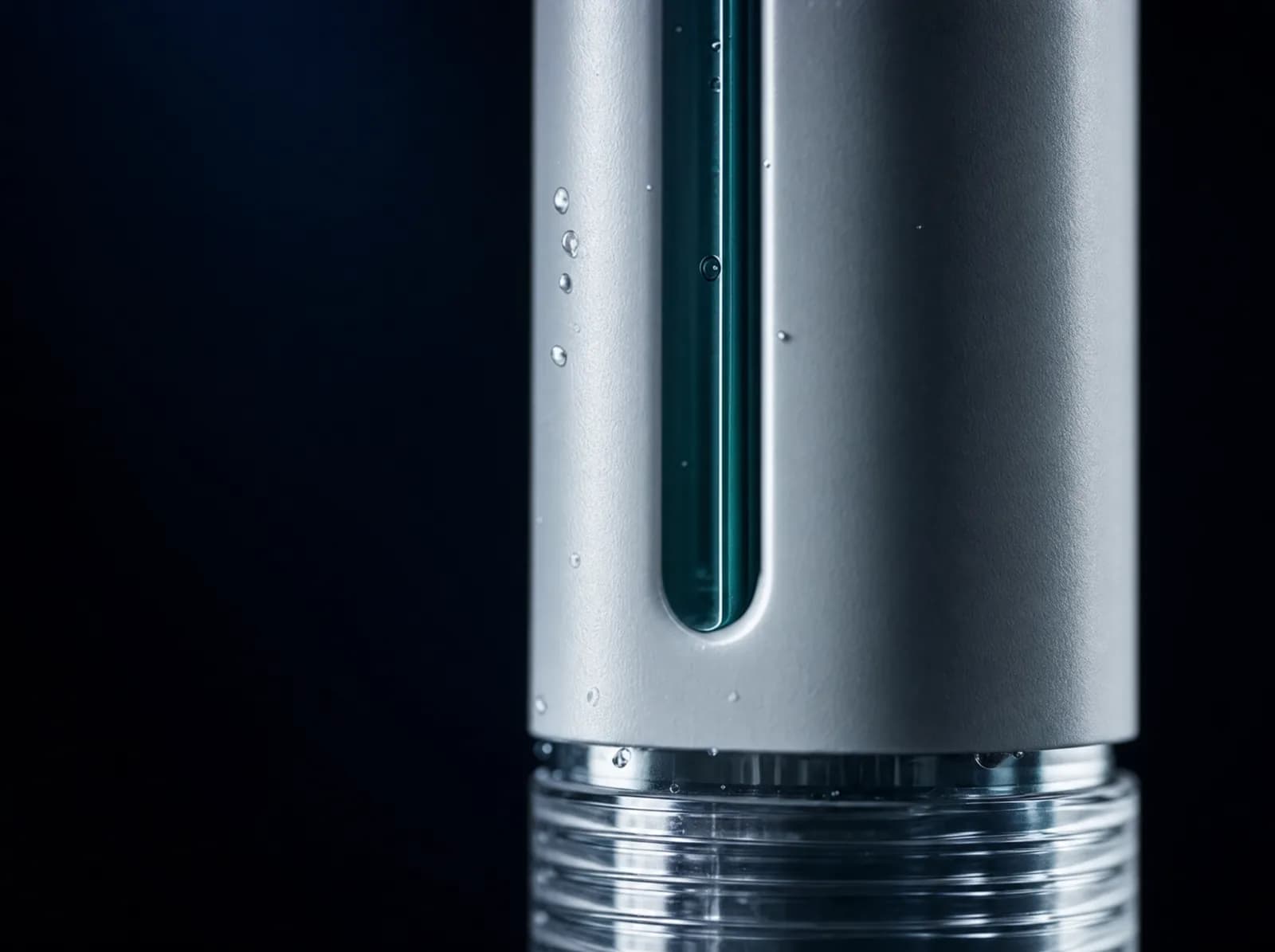
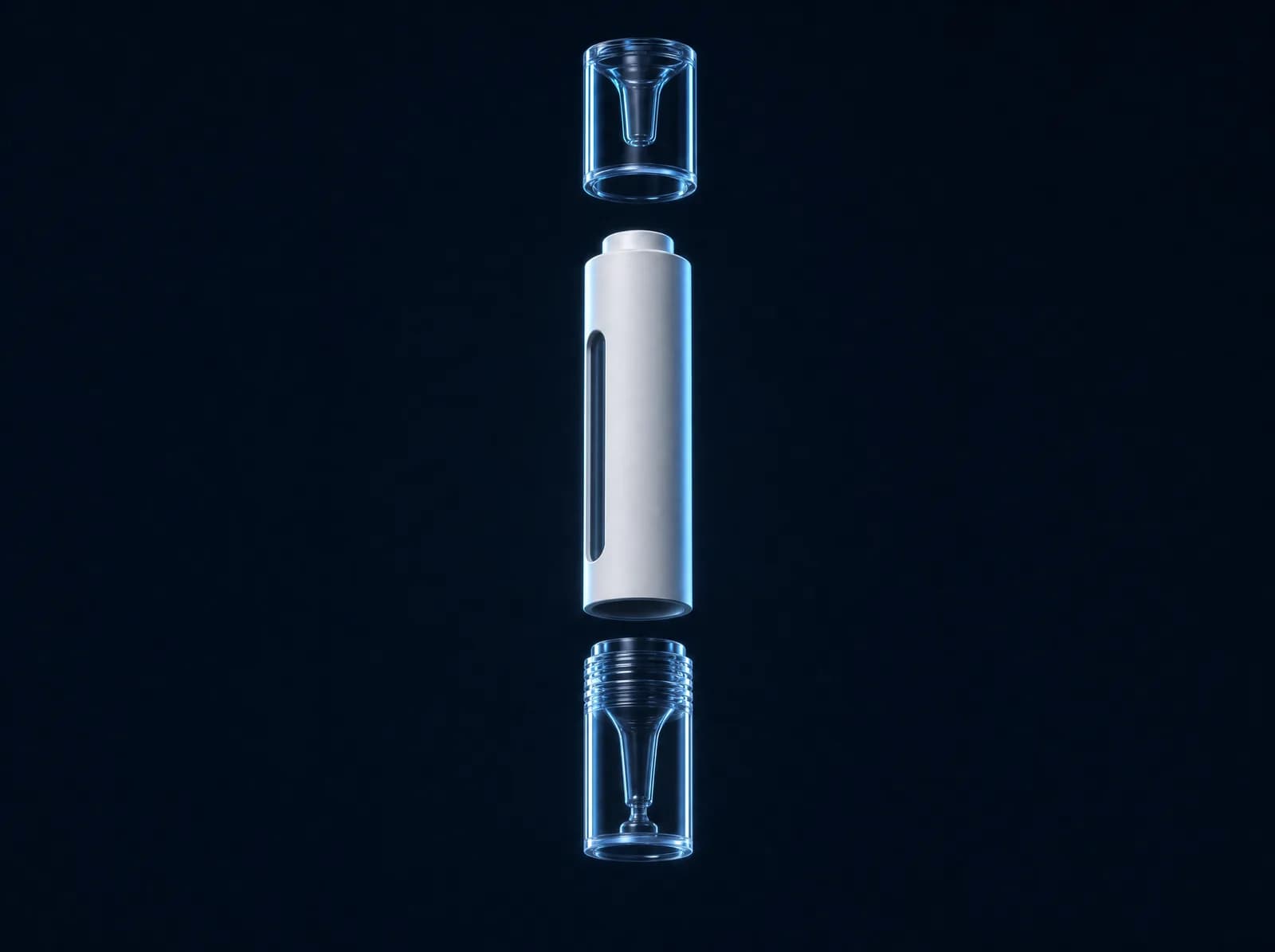
One measured dose — 1 ml from the applicator pen — dripped under the tongue each morning, then swallowed. Sublingual delivery is chosen so absorption does not depend on gut colonisation, which is the classic failure point of live-culture formats.
Bacillus F occupies its own slot in a longevity protocol. It is not an NAD+ precursor and not an autophagy trigger, so it neither duplicates nor competes with NMN or spermidine. The mechanism it is built around is the one the organism itself demonstrated: persistence under oxidative conditions across an extraordinary span of time.
Our reference imaging method is the comet assay, which visualises DNA fragmentation cell by cell. The panels and the full methodology are published on the Science page rather than summarised here, because a claim about evidence should link to the evidence.
Specifications
| Format | Sublingual applicator pen — clear cartridge with measured-dose tip |
| Active fraction | Cell-free Bacillus F metabolite complex (postbiotic) |
| Daily dose | 1 ml measured dose, sublingual, morning |
| Protocol length | 30 days per bottle · 90 days recommended before re-testing |
| Storage | Room temperature, away from direct light |
| Origin | Fermented & bottled in the EU · strain from Yakutia permafrost |
| Documentation | Patent WO2012060729 · deposited genome sequence |
Compliance & standards
The strain and its applications are covered by international patent WO2012060729 plus five national patents, and the organism is sequenced and deposited — so every batch comes from the same defined organism. The patent scans and the comet-assay imaging are published openly on the Science page.
Marketed as a dietary supplement — not a medicine; statements have not been evaluated by the FDA.
What to expect
Expect nothing perceptible in the first week, and treat that as normal rather than as failure. This is not a stimulant and there is no acute effect to feel; a preparation whose proposed value is cumulative cannot announce itself on day three.
What you can expect concretely: an applicator pen that delivers a consistent 1 ml, a cartridge that lasts exactly thirty days at that dose, no fridge shelf reorganised around it, and evidence you can read end to end in an evening. If you want a signal beyond that, take a baseline panel before the first bottle and re-test after ninety days.
Use cases
- The first bottle. Someone who has read the documentation and wants to run the standard 30-day protocol before deciding anything further.
- The stack addition. An existing longevity routine that covers NAD+ and autophagy but has nothing addressing oxidative resilience.
- The format switch. A buyer leaving a refrigerated probiotic behind because travel kept breaking the routine.
Not sure where it fits? Start with Bacillus F vs NMN — our most-read comparison.
Frequently asked
Related solutions
Start your 30-day protocol
Limited monthly batches. We confirm availability for your country within 48 hours.